
AFWERX, SpaceWERX SBIR/STTR Program Supports Space Technology Maturation
EL SEGUNDO, Calif. — The space domain is increasingly contested, congested and fast-moving, requiring the U.S. Space Force to field mission-critical technologies more rapidly than traditional acquisition processes allow. Commercial space activity continues to expand, yet many small businesses encounter challenges moving technologies from development to mission-ready systems.
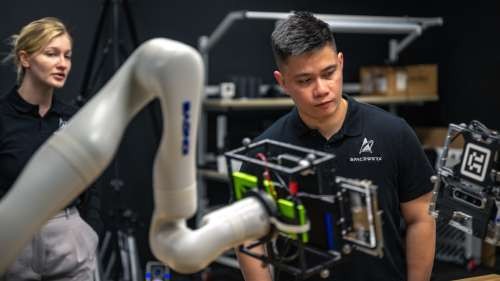
The gap between development and adoption can slow the delivery of capabilities to warfighters. Although laboratory testing may demonstrate that a concept works, military organizations often require additional validation, performance data and technical assessments before considering a technology for transition. Companies without access to specialized facilities and expertise may face difficulties generating the evidence needed to advance their solutions.
Transitioning technology from a laboratory or development environment to operational conditions requires capital and verification of technical maturity. Without early and frequent technology readiness assessments, or TRAs, the Department of the Air Force risks investing in concepts that are not prepared to meet Space Force integration, launch or operational requirements.
SpaceWERX partners with The Aerospace Corp.
In early 2024, SpaceWERX — the innovation arm of the U.S. Space Force — partnered with The Aerospace Corp. to establish the Technology Readiness Level Bootcamp, or TRL Bootcamp. The initiative provides participating companies with access to technical experts and specialized test equipment to assess and mature their technologies.
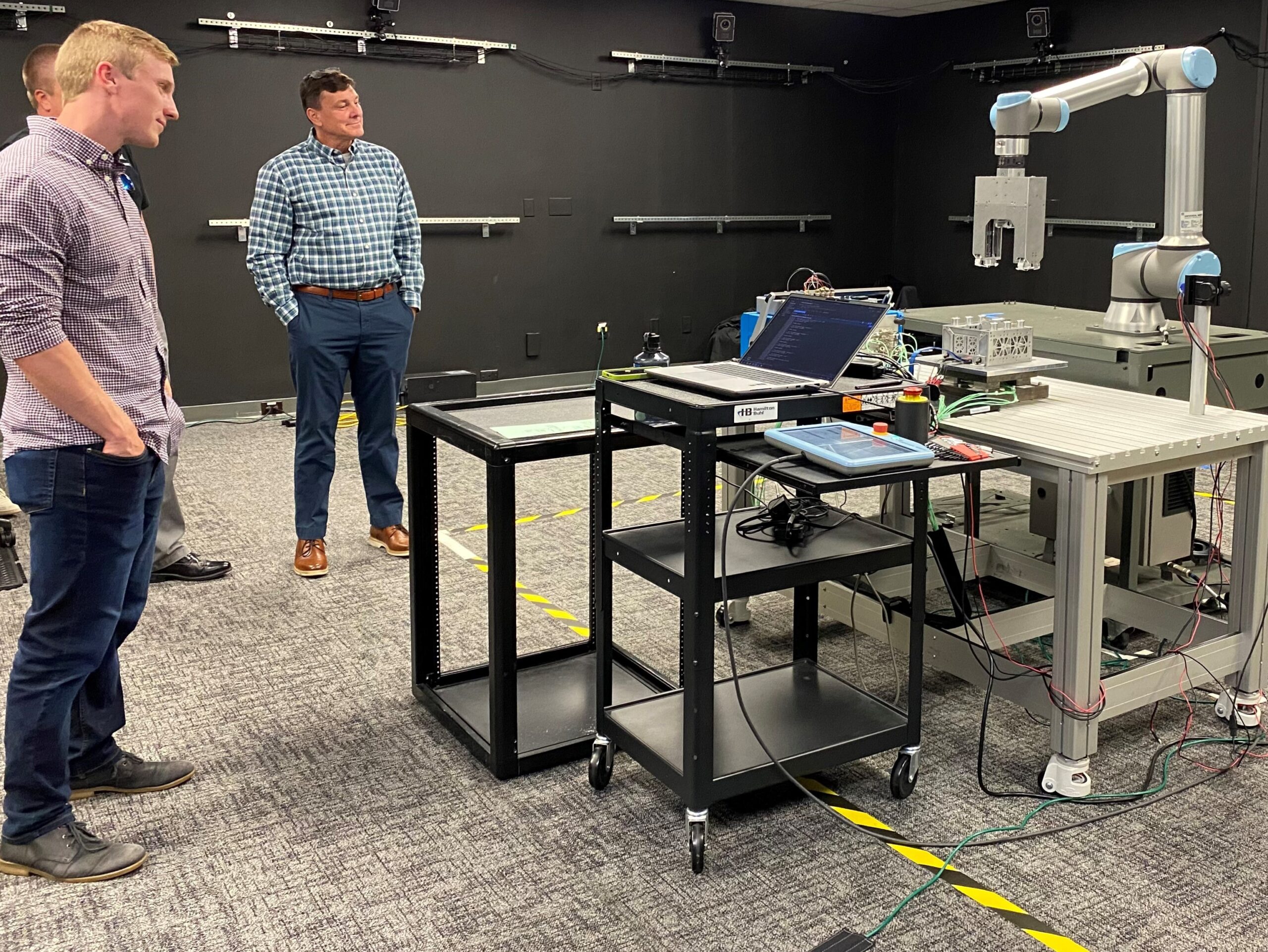
The program also provides a structured process for evaluating whether commercially developed technologies funded by the government are prepared to advance through technology readiness levels. The resulting assessments help government program managers evaluate the costs, schedules and risks associated with potential transition into government programs.
SpaceWERX works with program executive offices and other government stakeholders to identify candidates for the Bootcamp. Participating companies typically spend two to six months in the program. Using NASA’s Technology Readiness Assessment Guidebook as its framework, the Bootcamp provides access to laboratory facilities and independent technical experts. These experts conduct hardware and software assessments and provide technical recommendations, analyses and testing support intended to address identified readiness gaps in relevant Space Force mission areas.
To date, the Bootcamp has focused on technologies related to in-space servicing, assembly and manufacturing, or ISAM, and Tactically Responsive Space, or TacRS. The program works with participating companies to identify and address technical risks before they compete for potential Strategic Funding Increase, or STRATFI, and Tactical Funding Increase, or TACFI, awards. Participation in the Bootcamp does not guarantee eligibility, selection or funding under those or any other government programs.
This assessment process supports the acquisition transformation memo issued by Secretary of Defense Pete Hegseth. The memo emphasizes restructuring acquisition to prioritize “speed to capability” and calls for acquisition executives to apply technology and manufacturing readiness assessments throughout system development.
The inaugural and 2025 TRL Bootcamp cohorts provide examples of how the assessment process has been applied. Participating companies included KMI, Turion, Thermasat and ASEI. The companies received technical assessments and recommendations intended to help align their development efforts with Space Force mission requirements. Some participants later received follow-on funding or became involved in other government programs through separate evaluation and selection processes.
When a participating company requires technical or laboratory support beyond its internal capabilities, the Bootcamp may draw from The Aerospace Corp.’s laboratory network. Support has included analysis by specialists in spacecraft mechanisms, integration assistance and laboratory testing using robotic platforms in the Collaborative and Autonomous Vehicle Ecosystem laboratory and equipment in the optical and photonic systems laboratory.
The TRL Bootcamp reflects an approach in which SpaceWERX provides participating companies with technical expertise, assessments and access to specialized resources. These activities are intended to help the government evaluate technical maturity and inform potential transition decisions.
As described in the 2025 Acquisition Transformation Strategy, moving from requirements-based to solutions-based acquisition may require the government to accept additional risk. Technical assessments can help government decision-makers evaluate that risk. By identifying technical gaps early, the TRL Bootcamp supports national security space missions and provides data to inform government acquisition decisions.
Additional information is available in the joint SpaceWERX-Aerospace Corp. paper titled “Bridging the Valley of Death: A DoD/FFRDC Partnership to Accelerate Low-TRL Commercial Space Technology for Military Programs.”
*Disclaimer: References to non-federal entities do not constitute or imply Department of War or Air Force endorsement of any company or organization.